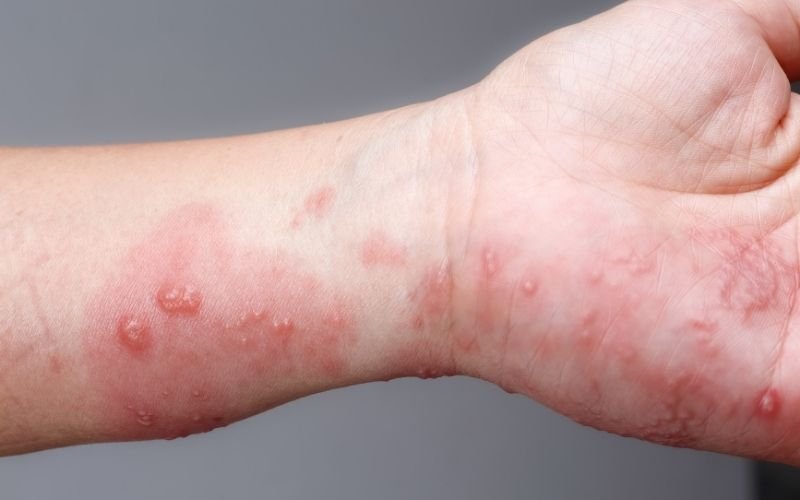

You wake up with a stuffy nose. Later, your eyes start burning. Another day, your hands break out in a red, itchy rash after cleaning.
It’s all “allergies,” right?
Yes, but not the same kind.
Respiratory, eye, and skin allergies affect different parts of the body and often require different evaluation and treatment strategies. Understanding which category your symptoms fall into is the first step toward getting the right help.
Respiratory Allergies: When Your Nose, Throat, and Lungs Are Involved
Respiratory allergies primarily affect the airways:
- nose
- sinuses
- throat
- sometimes the lower airways (asthma triggers)
Typical respiratory allergy symptoms
- Sneezing fits
- Stuffy or runny nose
- Postnasal drip
- Itchy nose or throat
- Cough, especially at night or early morning
- Wheezing or shortness of breath (asthma)
Common triggers include:
- pollen (trees, grass, weeds)
- mold spores
- dust mites
- pet dander
For treatment options focused specifically on breathing symptoms, see: Respiratory Allergy Medicine
Eye Allergies: When It’s Your Eyes More Than Your Nose
When allergies primarily affect the eyes, we refer to this as allergic conjunctivitis.
Typical eye allergy symptoms
- Itchy, burning, or watery eyes
- Redness
- Swelling around the eyelids
- Sensitivity to light
- Stringy or clear discharge (unlike the thick pus of many infections)
Eye allergies often go hand-in-hand with respiratory symptoms, but some people experience eye-dominant reactions, especially during high pollen or pet exposure.
For therapies that focus on relief for eyes, start here: Allergy Eye Medicine
If you notice severe pain, vision changes, or one eye significantly worse than the other, it may be an infection, and it’s important to see a doctor.
Skin Allergies: When Your Skin Speaks First
Skin allergies can show up as:
- hives (raised, itchy welts),
- eczema (dry, cracked, itchy skin),
- contact dermatitis (rash where the skin touched something irritant or allergenic).
Typical skin allergy triggers
- soaps, detergents, or fragrances
- nickel in jewelry
- latex
- certain plants (like poison ivy)
- foods or medications (often causing hives)
Skin allergy symptoms may appear hours after contact and can last days.
For more focused information: Skin Allergy Medicine
Can You Have All Three at Once?
Yes.
Many patients with allergies experience multiple systems involved:
- spring pollen → nose + eyes
- cat dander → nose + eyes + skin
- dust mites → nose + lungs (asthma)
That’s why some people feel like “everything is inflamed” during high-exposure seasons.
AllergyWorx provides a broader overview in: What Type of Allergies Are There?
How Treatment Pathways Differ by Allergy Type
Respiratory focus
You might benefit from:
- nasal corticosteroid sprays
- oral antihistamines
- leukotriene modifiers (in selected cases)
- and, for long-term control, allergy immunotherapy
Respiratory symptoms are often the “driver” that pushes patients to seek care.
Eye focus
Treatment may include:
- antihistamine eye drops
- mast-cell–stabilizing eye drops
- cool compresses
- systemic allergy medications when needed
Skin focus
Depending on severity:
- topical corticosteroids
- calcineurin inhibitors
- emollients and barrier creams
- avoidance of triggers identified through testing
For people sensitive to dyes or excipients in medications, custom formulations may be appropriate: Dye-Free & Gluten-Free Medicines
When to Consider Immunotherapy (Drops or Shots)
If you find yourself:
- constantly medicating,
- experiencing symptoms across respiratory, eye, and skin categories,
- or seeing quality of life drop,
your allergist may discuss allergy immunotherapy (shots or drops).
Compare options here: Allergy Drops vs Shots vs Pills (2025)
Final Thoughts: Your Symptoms Are Telling a Story
Respiratory, eye, and skin allergies are different languages of the same immune system.
By paying attention to where your symptoms show up and when, you and your allergist can:
- identify likely triggers,
- choose the right medication type,
- and decide whether immunotherapy could help in the long run.
At AllergyWorx, we want patients to understand not just that they have “allergies” but which kind, and what that means for treatment.