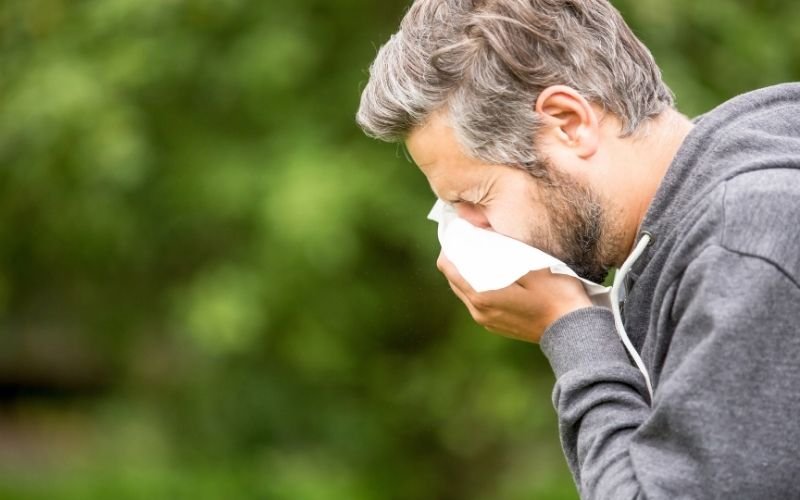

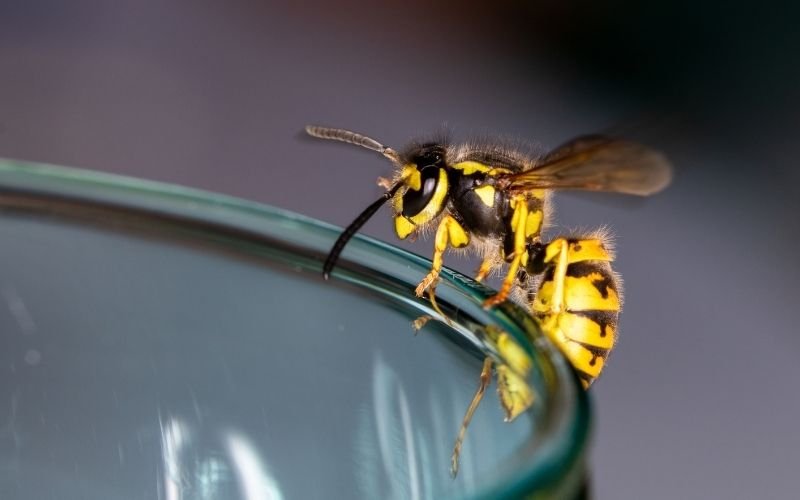
For many people, a sting from a bee, wasp, or fire ant is painful but temporary.
For others, it can be life-threatening.
Insect venom allergies are a major cause of anaphylaxis, a severe, potentially fatal allergic reaction. Yet many people at risk don’t know it until they’ve already had a dangerous reaction.
This article explains:
- who is at higher risk,
- how to recognize serious symptoms,
- and when to consider venom immunotherapy.
Local vs Systemic Reactions: Not Every Swollen Arm Is an Allergy Emergency
Not all large swelling is life-threatening.
Local reaction
- Pain, redness, and swelling around the sting site
- Can be quite large (e.g., an entire forearm swelling)
- Usually uncomfortable but not dangerous
- Treated with cold compresses, elevation, oral antihistamines, and time
Systemic allergic reaction
- Hives away from the sting site
- Swelling of lips, tongue, or throat
- Difficulty breathing or wheezing
- Dizziness, fainting, or drop in blood pressure
- Nausea, vomiting, or diarrhea soon after the sting
This pattern suggests anaphylaxis, which is an emergency.
Call emergency services and use epinephrine if available.
For ongoing management in adults: Allergy Medicine for Adults
In children: Allergy Medicine for Kids
Who Is Most at Risk for Serious Venom Allergy?
- People with a prior systemic reaction to a sting
- Those with mast cell disorders or very high baseline tryptase
- People living in areas with heavy fire ant or wasp populations
- Outdoor workers (farmers, landscapers, construction, beekeepers)
If you’ve had a strong reaction once, your risk for a serious reaction in the future may be higher.
Venom Immunotherapy: A Life-Saving Option
Venom immunotherapy (VIT) is a specialized form of allergy treatment where tiny, controlled amounts of purified venom are given over time to:
- train the immune system not to overreact,
- dramatically reduce the risk of future severe reactions.
It has one of the highest success rates of any allergy therapy.
To compare how immunotherapy fits among other options: Allergy Drops vs Shots vs Pills (2025)
The Role of Emergency Medications
Even with VIT, patients at risk for anaphylaxis should:
- carry an epinephrine auto-injector,
- wear medical identification,
- have an emergency action plan.
OutSourceWoRx and other 503B facilities help ensure that hospitals and clinics have reliable access to sterile emergency medications like epinephrine: 503B Sterility & Quality Control
Prevention Tips
- Avoid known nests and hives; call professionals to remove them.
- Wear closed-toe shoes outdoors.
- Use caution with open drinks at outdoor events (wasps like sugary drinks).
- Teach children to recognize stinging insects and avoid disturbing them.
Final Thoughts: Take One Reaction Seriously
If you’ve had even one systemic reaction to a bee, wasp, or fire ant sting, it’s important to talk to an allergist:
- consider venom testing,
- discuss venom immunotherapy,
- and get an emergency plan in place.
Venom allergies are serious, but with proper diagnosis and treatment, they are also one of the most preventable life-threatening allergic conditions.