

Introduction
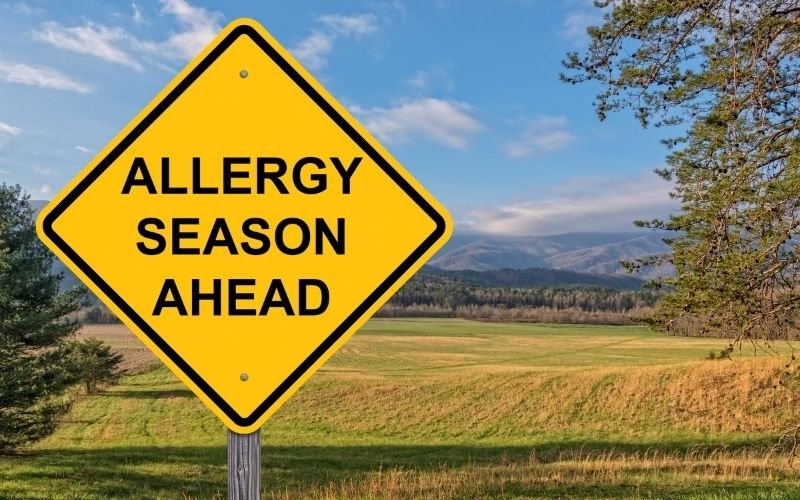
Ragweed allergy continues to be one of the most underestimated causes of seasonal misery in the United States. Despite advances in allergy care, millions of people still experience prolonged symptoms every fall often longer and more intense than expected.
In 2025, climate patterns and longer pollen seasons have made ragweed allergy more persistent, even in regions that previously experienced shorter allergy windows.
What Is Ragweed and Why Is It So Potent?
Ragweed is a fast-growing weed that releases extremely fine pollen particles into the air. These particles:
- Travel long distances
- Remain airborne for extended periods
- Trigger immune responses even at low concentrations
This makes ragweed one of the most aggressive seasonal allergens.
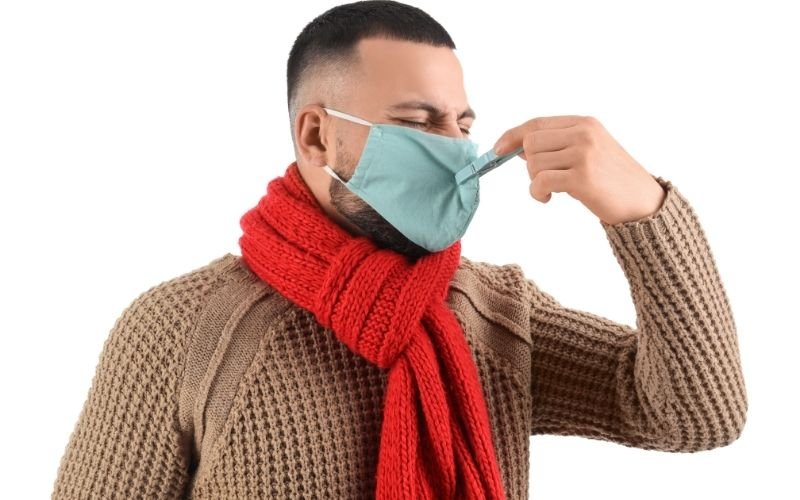
Common Ragweed Allergy Symptoms
Upper Respiratory Symptoms
- Sneezing fits
- Nasal congestion
- Runny nose
Eye & Throat Symptoms
- Itchy or watery eyes
- Scratchy throat
- Post-nasal drip
Systemic Effects
- Fatigue
- Headaches
- Poor sleep quality
For comparison across allergy types, see:
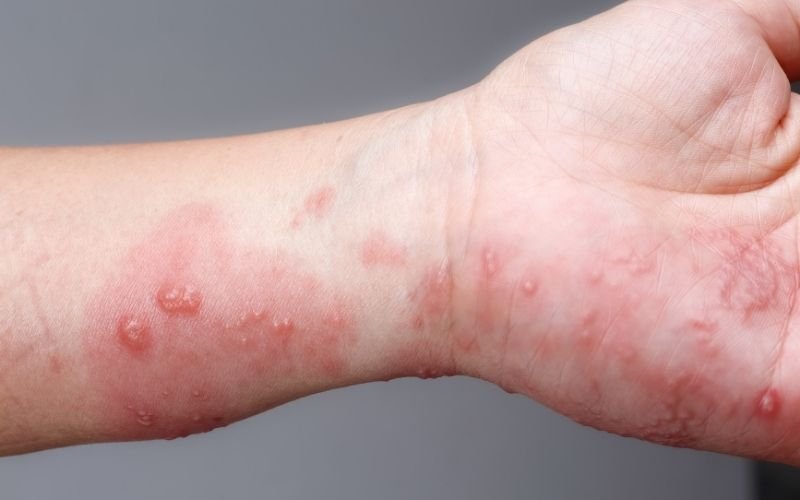
Respiratory vs Eye vs Skin Allergies
Why Ragweed Allergy Is Worse in 2025
Several factors are driving increased symptoms:
- Longer growing seasons
- Higher pollen counts due to climate variability
- Urban heat islands increasing ragweed growth
These trends explain why many patients feel symptoms well into late fall.
Seasonal patterns are covered in depth here:
Seasonal Allergy Forecast 2025
Ragweed Allergy vs. Other Fall Allergies
Ragweed is often confused with:
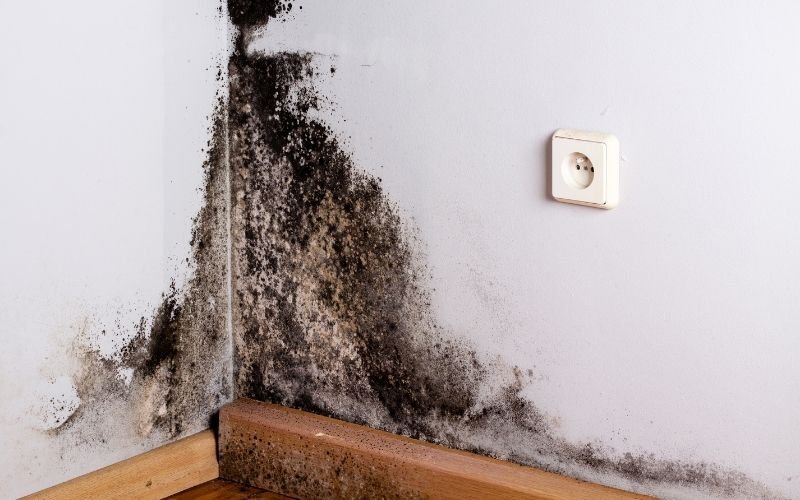
- Mold spores
- Dust mites
- Indoor allergens
However, ragweed symptoms typically worsen outdoors and peak during dry, windy days.
Learn how indoor triggers differ:
Mold Spores & Indoor Allergies in 2025
Treatment Options for Ragweed Allergy
Short-Term Symptom Relief
- Antihistamines
- Nasal sprays
- Eye drops
Long-Term Allergy Management
- Identifying pollen sensitivity
- Building tolerance over time
- Reducing seasonal immune overreaction
Educational resources from AllMedRx help patients understand how personalized medication approaches may support those who cannot tolerate standard formulations due to sensitivities.
When Ragweed Allergy Needs Professional Evaluation
You should consider evaluation if:
- Symptoms return every fall despite medication
- Congestion lasts weeks beyond pollen season
- You experience asthma-like symptoms
Early assessment can reduce yearly symptom escalation.
Initial allergy intake:
Follow-up or education questions:
Final Thoughts
Ragweed allergy remains one of the most dominant seasonal triggers in 2025. Understanding why seasons are longer and how symptoms differ from other fall allergens empowers patients to take control before symptoms spiral each year.