

Introduction
A lingering cough can be frustrating especially when you’re unsure whether it’s caused by allergies or a common cold. In 2025, this confusion is more common than ever as seasonal allergens overlap with viral respiratory illnesses.
Understanding the difference between an allergy cough and a cold-related cough is essential for choosing the right treatment and avoiding unnecessary medications.
What Causes an Allergy Cough?
An allergy cough is triggered by immune reactions to allergens such as:
- Pollen
- Dust mites
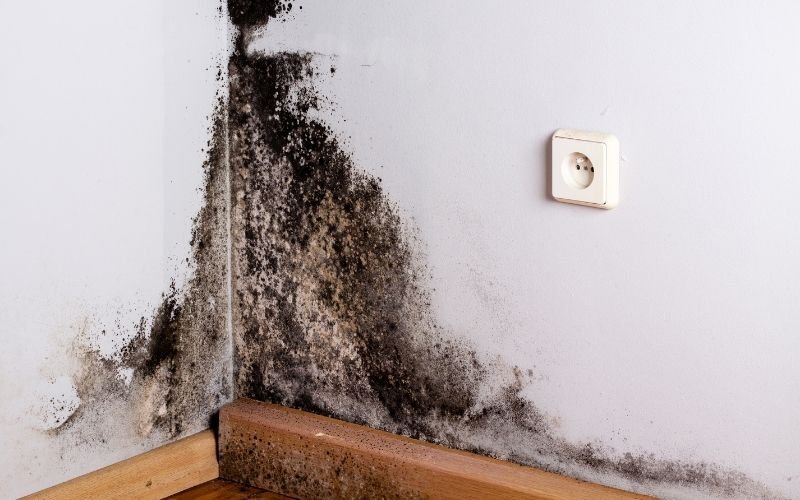
- Mold spores
- Pet dander
Unlike infections, allergy coughs are caused by inflammation and post-nasal drip not viruses.
Learn how airborne triggers affect the respiratory system:
Respiratory vs Eye vs Skin Allergies
What Causes a Cold Cough?
A cold-related cough is caused by viral infection and often appears alongside:
- Fever
- Body aches
- Fatigue
Cold coughs usually resolve within 7–10 days as the immune system clears the virus.
Key Differences: Allergy Cough vs Cold Cough
Duration
- Allergy cough: Can last weeks or months
- Cold cough: Typically short-term
Associated Symptoms
- Allergy cough: Itchy eyes, sneezing, congestion
- Cold cough: Fever, sore throat, muscle aches
Seasonality
- Allergy cough: Recurs during specific seasons
- Cold cough: Can happen anytime
Seasonal patterns are explained in:
Seasonal Allergy Forecast 2025
Why Allergy Coughs Are More Persistent in 2025
Several trends contribute to prolonged allergy coughs:
- Longer pollen seasons
- Increased indoor allergen exposure
- Climate-driven mold growth
Indoor triggers explained here:
Mold Spores & Indoor Allergies in 2025
How Allergy Coughs Are Commonly Mismanaged
Many patients:
- Use antibiotics unnecessarily
- Rotate cold medications without relief
- Ignore underlying allergen sensitivity
This often leads to chronic symptoms rather than resolution.
For medication comparisons, see:
What Is the Best Allergy Medicine?
When an Allergy Cough Needs Evaluation
You should consider evaluation if:
- Cough returns every allergy season
- Symptoms persist longer than 2–3 weeks
- Medications provide only temporary relief
Educational resources from AllMedRx help explain how tailored treatment options may support patients with recurring respiratory symptoms.
Next Steps for Persistent Cough
Initial evaluation & intake:
Education, follow-ups, and care questions:
Early identification helps prevent years of unnecessary symptom cycling.
Final Thoughts
Not all coughs are created equal. Distinguishing between an allergy cough and a cold cough is one of the most important steps toward effective, lasting relief especially in an era of longer allergy seasons and overlapping respiratory illnesses.