
Introduction
Latex allergy remains one of the most misunderstood allergic conditions. While often associated with gloves in medical settings, latex exposure occurs in everyday products and reactions can escalate quickly if unrecognized.
In 2025, increased awareness and better diagnostic tools are helping patients identify latex sensitivity earlier and avoid dangerous exposures.
What Is a Latex Allergy?
Latex allergy is an immune reaction to proteins found in natural rubber latex, commonly used in:
- Medical gloves and equipment
- Balloons and elastic materials
- Condoms and medical devices
- Household items (rubber bands, adhesive products)
According to Centers for Disease Control and Prevention, latex sensitivity can develop after repeated exposure especially in healthcare environments.
Common Latex Allergy Symptoms
Mild to Moderate Symptoms
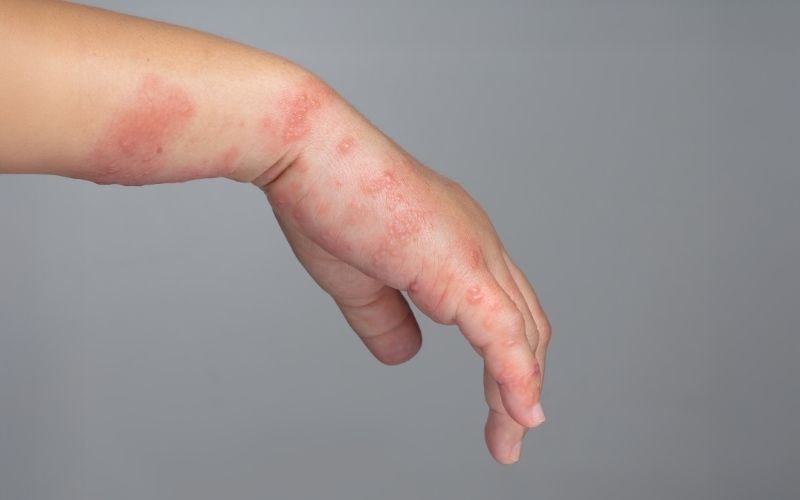
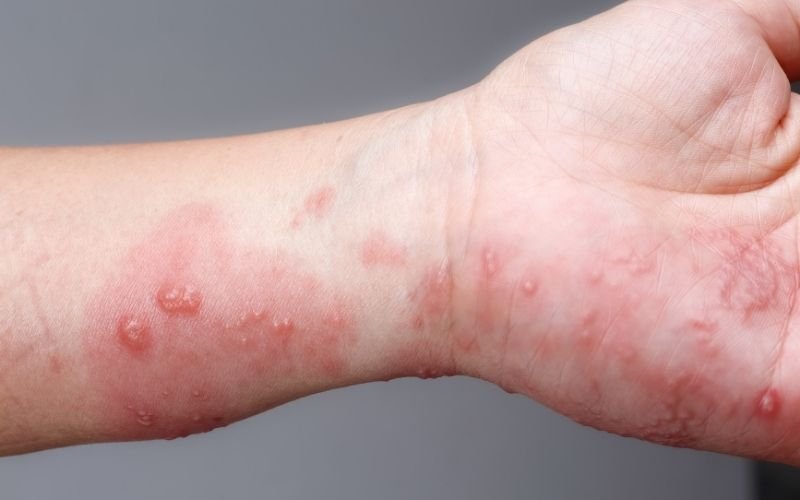
- Itchy or red skin
- Hives or rash after contact
- Nasal congestion or sneezing
More Severe Reactions
- Shortness of breath
- Wheezing or chest tightness
- Swelling of lips, tongue, or throat
These symptoms may appear minutes or hours after exposure.
Learn how latex reactions differ from skin allergies caused by chemicals or fragrances:
Perfume, Cleaning Products & “Fragrance Sensitivity”
Who Is at Higher Risk for Latex Allergy?
Latex sensitivity is more common among:
- Healthcare workers
- Patients with frequent medical procedures
- Individuals with multiple allergies
- People with food cross-reactivity (bananas, avocados, kiwi)
Related reading on cross-reactive allergy patterns:
What Type of Allergies Are There?
Why Latex Allergy Is Often Missed
Latex reactions are frequently mistaken for:
- Contact dermatitis
- Chemical irritation
- Seasonal allergy flare-ups
Because symptoms vary, many patients continue exposure without realizing the cause increasing the risk of escalation.
Diagnosis & Safer Management Options
Latex allergy diagnosis may involve:
- Clinical history review
- Skin or blood testing
- Environmental exposure assessment
Management focuses on:
- Strict latex avoidance
- Education on hidden sources
- Provider-guided treatment plans
In some cases, personalized formulations prepared through educational partners like AllMedRx may help patients avoid unnecessary excipients when clinically appropriate.
When to Seek Allergy Evaluation
You should seek professional guidance if:
- You experience reactions after glove or rubber contact
- Symptoms worsen over time
- You work in healthcare or high-exposure environments
Early identification can prevent serious complications.
Next Steps & Support
Initial allergy intake & evaluation:
Education, prevention strategies & follow-up:
Understanding your triggers is the first step toward safer daily living.
Final Thoughts
Latex allergy is real, underdiagnosed, and potentially serious but manageable with the right information and proactive care. In 2025, improved awareness and early evaluation are helping patients avoid dangerous exposure and regain confidence.