

Introduction
Unlike seasonal allergies, dust-related allergies don’t take a break. In 2025, dust mite allergy remains one of the most common yet overlooked causes of chronic nasal, respiratory, and skin symptoms especially indoors.
What Causes Dust Allergies?
Dust allergies are primarily triggered by dust mites, microscopic organisms that thrive in:
- Bedding
- Upholstery
- Carpets
- Curtains
It’s not the dust itself but the proteins released by dust mites.
Common Dust Allergy Symptoms
Respiratory
- Nasal congestion
- Sneezing
- Post-nasal drip
Eye & Skin
- Itchy or watery eyes
- Facial pressure
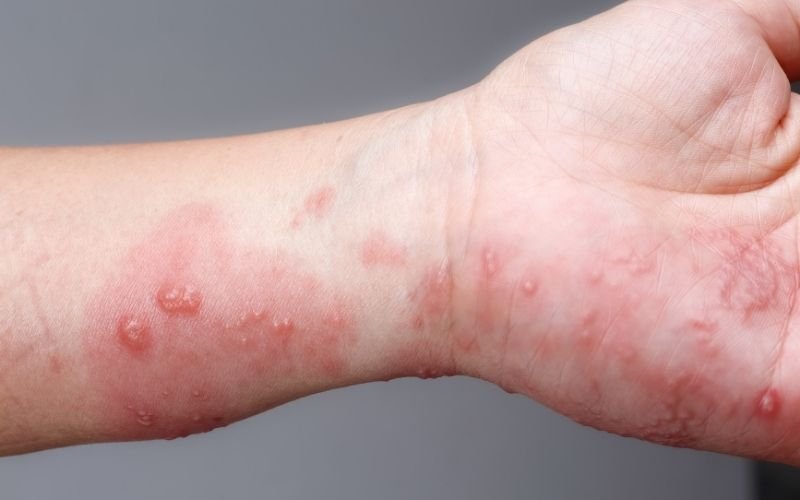
- Eczema flares
Symptom categorization guide:
Respiratory vs Eye vs Skin Allergies
Why Dust Allergies Are Often Misdiagnosed
Many patients assume symptoms are caused by:
- Recurrent colds
- Chronic sinus issues
- Seasonal pollen
Diagnostic overlap explained in:
What Type of Allergies Are There?
Dust Allergy vs Mold or Pet Dander
Indoor allergens frequently coexist.
Compare:
- Dust → year-round exposure
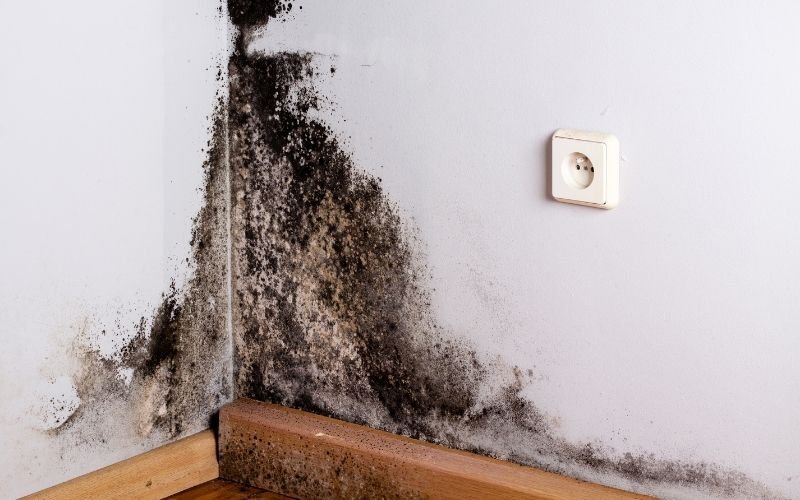
- Mold → moisture-related spikes
- Pet dander → protein-based reactions
Related reads:
Managing Dust Allergy in 2025
Effective strategies include:
- Allergen identification
- Environmental controls
- Long-term treatment planning
Medication and formulation education may involve coordination with AllMedRx when clinically appropriate.
When to Seek Testing
Consider testing if:
- Symptoms persist year-round
- Nighttime symptoms worsen
- Multiple indoor triggers are suspected
Next Steps & Support
Initial allergy intake:
Environmental & treatment education:
Final Thoughts
Dust allergies don’t announce themselves but they quietly drive chronic symptoms. Identifying them in 2025 can dramatically improve daily comfort.