
Introduction
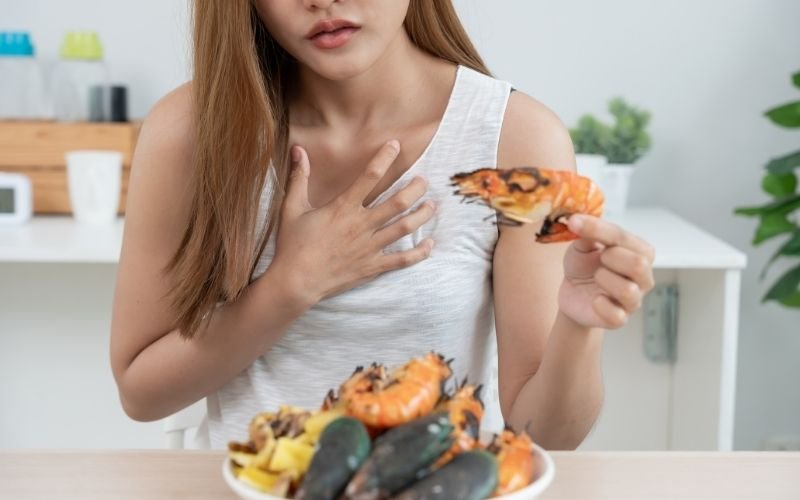
Have you ever eaten a fresh apple, melon, or nut and felt itching in your mouth even though you’re “not allergic” to that food?
This reaction is often caused by food cross-reactivity, a phenomenon increasingly recognized in allergy care in 2025.
What Is Food Cross-Reactivity?
Food cross-reactivity occurs when the immune system mistakes proteins in certain foods for pollen allergens it already recognizes.
This is commonly known as Oral Allergy Syndrome (OAS) or Pollen Food Allergy Syndrome.
Full breakdown:
Oral Allergy Syndrome Explained (2025)
Common Cross-Reactive Pollen–Food Pairs
- Birch pollen → apples, carrots, hazelnuts
- Ragweed pollen → melons, bananas
- Grass pollen → tomatoes, peanuts
Related seasonal insight:
Seasonal Allergy Forecast 2025
Why These Reactions Are Often Misdiagnosed
Many patients assume they have:
- A new food allergy
- Digestive intolerance
- Random irritation
In reality, cross-reactivity is immune-driven, not digestive.
According to Cleveland Clinic, these reactions are usually mild but can worsen without proper identification.
Symptoms of Food Cross-Reactivity
- Mouth or throat itching
- Lip swelling
- Mild hives
- Occasional GI discomfort
Symptoms typically appear immediately after eating raw foods.
When Cross-Reactivity Becomes a Bigger Issue
Risk increases if you:
- Have untreated seasonal allergies
- Experience multiple pollen sensitivities
- Eat raw trigger foods frequently
Managing the underlying allergy is often more effective than eliminating foods entirely.
Compare treatment options:
Allergy Drops vs Shots vs Pills (2025)
Evaluation & Management Strategies
Professional evaluation may include:
- Allergy history review
- Pollen sensitivity testing
- Food exposure correlation
Long-term strategies focus on treating the root allergy, not just food avoidance.
Educational coordination may involve medication discussions with partners such as AllMedRx, when clinically relevant.
Next Steps & Support
Initial intake & food-related allergy questions:
Education & lifestyle guidance:
Final Thoughts
Food cross-reactivity explains why many adults “develop” food reactions later in life. In 2025, understanding this connection is key to avoiding unnecessary dietary restrictions and finding lasting relief.