

More than 67 million U.S. households share their homes with cats or dogs, and nearly one in five adults reports some form of pet-related allergy.
In 2025, research is uncovering new ways to manage dander sensitivity without giving up the pets we love.
What Exactly Is Pet Dander?
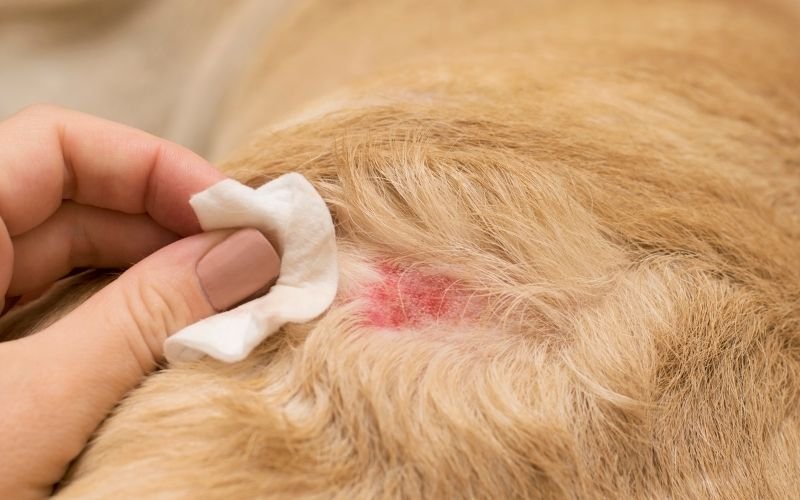
Pet dander isn’t fur, it’s microscopic skin flakes and proteins from saliva, urine, or glands that stick to furniture, air, and clothing.
These proteins (Fel d 1 in cats, Can f 1 and 2 in dogs) can linger for months, even in homes without animals.
“Dander is incredibly adhesive — once airborne, it can stay in circulation for hours,”
— American Academy of Allergy, Asthma & Immunology (AAAAI), 2025 update
Why Some People React More Than Others
Genetics, existing asthma, and indoor air quality all play major roles.
Urban dwellers with less ventilation experience higher allergen loads, especially in winter when HVAC systems recirculate dander particles.
Treatments That Actually Work in 2025
1️. Allergen Avoidance (Still Step 1)
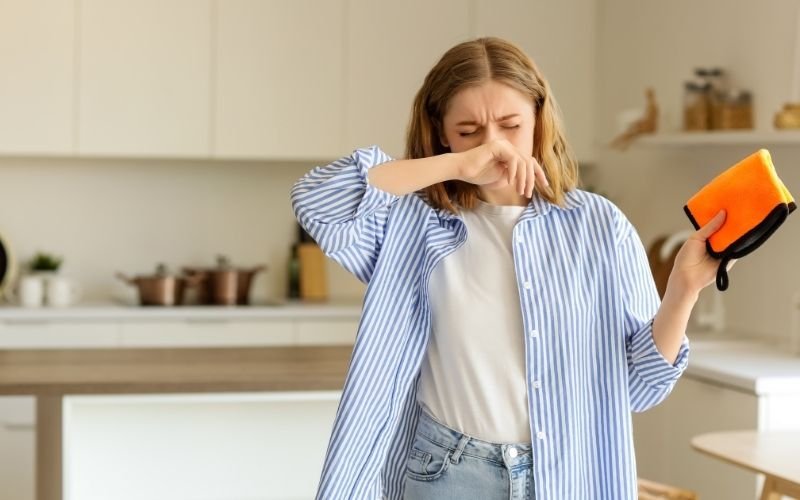
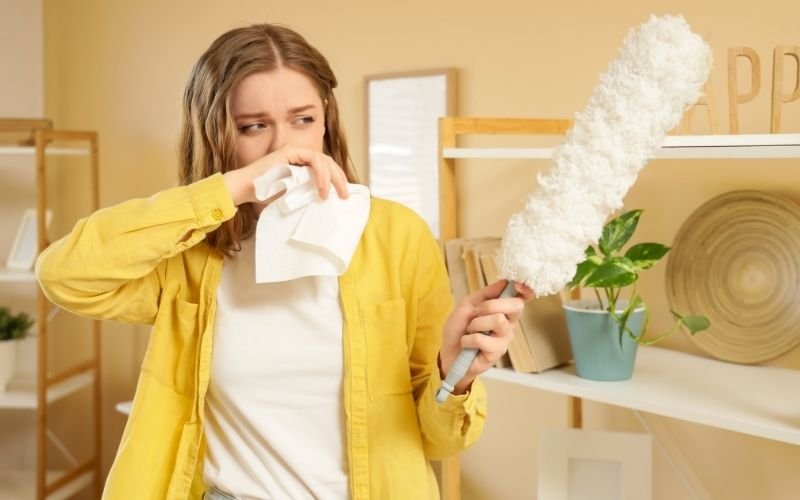
HEPA filters, weekly pet baths, and microfiber cleaning tools now show measurable allergen reduction in clinical trials.
2️. Over-the-Counter Relief
Antihistamines like cetirizine or loratadine and nasal corticosteroids (fluticasone, mometasone) remain first-line for mild cases.
3️. Immunotherapy: Long-Term Tolerance Building
Subcutaneous shots (SCIT) and sublingual drops (SLIT) gradually desensitize your immune system to pet proteins, treating the root cause, not just the symptoms.
(Read AllergyWorx’s Allergy Drops vs Shots vs Pills (2025) for a full comparison.)
4️. Personalized Compounded Options
For highly sensitive patients, pharmacies like AllMedRx can remove dyes, preservatives, or allergens from antihistamine or nasal formulations ensuring tolerance and compliance.
(See Dye-Free & Gluten-Free Medicines: How Personalized Compounding Helps Patients with Allergies).
The “Pet Allergy Vaccine” Conversation
New studies on recombinant Fel d 1-based immunotherapy show promise for cat allergy sufferers.
While still under review, these next-gen biologics could shorten treatment times and reduce injection frequency by 2026–27.
(Source: MedPage Today, Feb 2025 — “Engineered Cat Allergen Shots Show 70% Reduction in Nasal Symptoms.”)
Home Strategies That Make a Difference
- Keep pets out of bedrooms and upholstered furniture.
- Use HEPA air purifiers rated for allergens ≤ 0.3 µm.
- Wash bedding weekly in ≥ 130 °F water.
- Replace HVAC filters every 2 months.
- Consider hard flooring over carpet.
Small changes lower allergen load significantly, proven by 2025 Indoor Air Quality studies (NIH).
When to See an Allergist
If OTC relief fails or symptoms trigger asthma, it’s time for an evaluation.
A simple skin-prick or blood IgE test identifies pet proteins causing the reaction.
Your allergist can then recommend an immunotherapy plan or refer you to a compounding pharmacy for tailored medication.
( Allergy Testing at Home 2025: What Works, What Doesn’t, and What’s New)
Final Takeaway
Pet allergies don’t have to mean giving up your best friend.
With advances in immunotherapy, personalized medication, and home allergen control, long-term relief is finally realistic.AllergyWorx and AllMedRx continue working together to educate patients, improve treatment access, and make allergy care personal, safe, and sustainable.