

Introduction
If your allergy symptoms seem to linger long after cold season ends congestion, coughing, fatigue, or sinus pressure mold may be the hidden trigger. Unlike pollen, mold spores thrive indoors and outdoors year-round, making them one of the most overlooked allergy causes.
In 2025, mold allergies are rising due to increased humidity, aging buildings, and indoor air circulation. Understanding how mold allergies work is essential for effective, long-term relief.
What Is Mold Allergy and Why It’s So Persistent
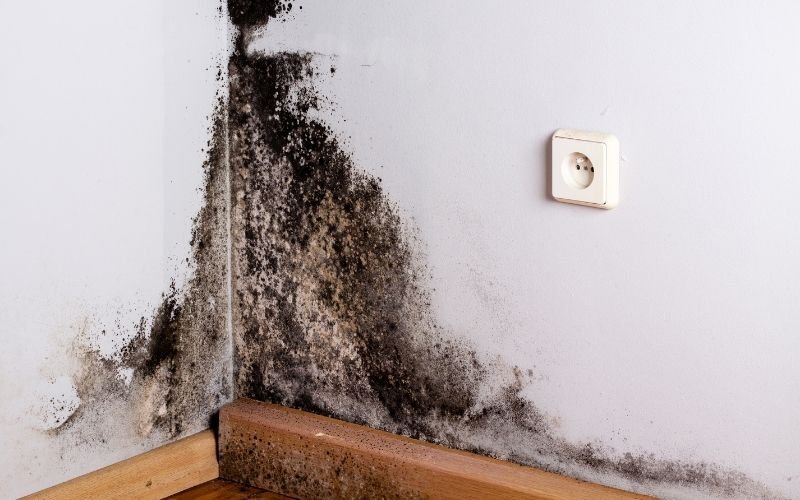
Mold allergies occur when the immune system reacts to airborne mold spores. These microscopic particles are released by mold colonies that grow in damp or poorly ventilated areas.
Common indoor sources include:
- Bathrooms and kitchens
- Basements and crawl spaces
- HVAC systems and air ducts
- Carpets and drywall exposed to moisture
Because mold spores are lightweight and airborne, exposure can occur even when mold growth isn’t visible.
For a broader look at indoor allergens, see:
What Type of Allergies Are There?
Common Mold Allergy Symptoms
Mold allergy symptoms often mimic colds or sinus infections, which leads to frequent misdiagnosis.
Typical symptoms include:
- Chronic nasal congestion
- Sinus pressure or headaches
- Persistent coughing or throat irritation
- Wheezing or shortness of breath
- Fatigue and brain fog
- Worsening asthma symptoms
Unlike viral illnesses, these symptoms often persist for weeks or worsen indoors.
If symptoms resemble seasonal flare-ups, compare with:
Seasonal Allergy Forecast 2025: What the Data Shows
Mold Allergy vs Cold: How to Tell the Difference
| Symptom | Mold Allergy | Common Cold |
| Duration | Weeks to months | 7–10 days |
| Fever | Rare | Common |
| Nasal discharge | Clear | Thick/yellow |
| Trigger | Indoor exposure | Viral infection |
If symptoms improve outdoors but worsen at home, mold allergy is more likely.
How Mold Allergies Are Diagnosed
Diagnosis begins with identifying exposure patterns and confirming sensitivity through testing.
Options may include:
- Skin prick testing
- Blood-based allergy testing
- Environmental exposure assessment
Learn more about testing approaches here:
Allergy Testing at Home: What Works, What Doesn’t, and What’s New in 2025
Treatment Options for Mold Allergies
Short-Term Symptom Management
Many patients rely on:
- Antihistamines
- Nasal corticosteroids
- Decongestants
These may relieve symptoms temporarily but do not change immune sensitivity.
Learn more:
What Is the Best Allergy Medicine?
Long-Term Treatment: Allergy Immunotherapy
Allergy immunotherapy works by gradually retraining the immune system to tolerate mold allergens.
Options include:
- Allergy shots (SCIT)
- Sublingual allergy drops (SLIT)
These therapies are customized based on specific mold sensitivities and may significantly reduce symptoms over time.
Compare options here:
Allergy Drops vs Shots vs Pills (2025)
Why Mold Allergies Often Go Undetected
Mold allergies are frequently missed because:
- Symptoms overlap with respiratory infections
- Mold exposure isn’t always visible
- Indoor air quality is rarely evaluated
In some cases, chronic mold exposure may worsen underlying inflammatory conditions. Educational resources from AllMedRx help patients understand how personalized approaches can support complex allergy and respiratory profiles.
What to Do If You Suspect a Mold Allergy
If symptoms persist or worsen indoors, it may be time to investigate mold sensitivity.
Recommended Steps:
- Evaluate indoor environments for moisture
- Confirm allergens through testing
- Discuss long-term treatment options
Initial intake and evaluation support:
Email intake@allergyworx.com
Our intake team helps determine appropriate next steps based on symptoms and exposure patterns.
Education or follow-up questions:
Email care@allergyworx.com
Final Thoughts
Mold allergies are common, chronic, and often underestimated. Because exposure can be constant, effective treatment typically requires more than surface cleaning or temporary medications.
With accurate diagnosis and a personalized treatment plan, many patients experience lasting relief even when mold exposure cannot be completely eliminated.