

Introduction
Latex allergies are often thought of as a workplace issue but in reality, latex exposure is embedded in everyday life. In 2025, latex allergy reactions continue to be underdiagnosed, especially in patients with chronic skin, respiratory, or unexplained reactions.
What Is a Latex Allergy?
A latex allergy occurs when the immune system reacts to proteins found in natural rubber latex. Reactions range from mild skin irritation to severe systemic responses.
Common exposure settings include:
- Medical environments
- Household items
- Personal-care products
Common Latex Allergy Symptoms
Skin Reactions
- Itching or redness
- Hives
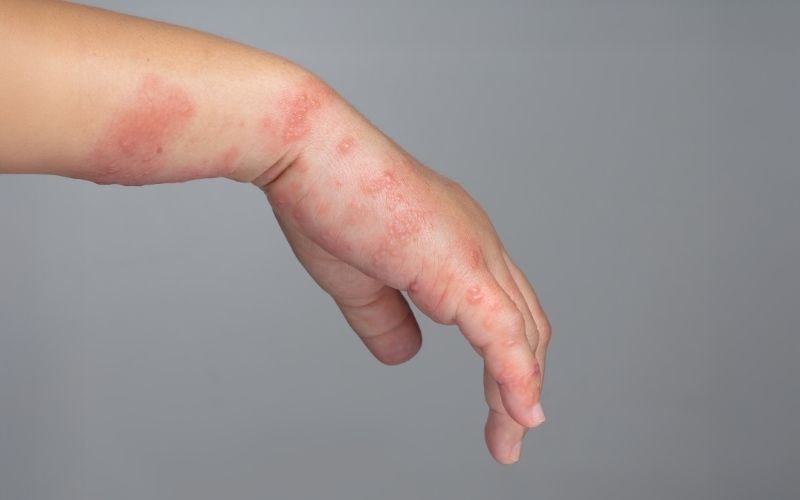
- Rash after contact
Respiratory Symptoms
- Sneezing
- Nasal congestion
- Coughing or throat irritation
Symptom classification reference:
Respiratory vs Eye vs Skin Allergies
Unexpected Sources of Latex Exposure
Many patients are surprised to learn latex may be present in:
- Gloves and bandages
- Elastic clothing
- Adhesives
- Balloons
- Medical devices
For some individuals, repeated low-level exposure drives chronic symptoms.
Why Latex Allergy Is Often Missed
Latex allergy symptoms are frequently misattributed to:
- Contact dermatitis
- Seasonal allergies
- Asthma-like cough
Related diagnostic challenges:
Rare Allergies You Might Not Know About
H2 Managing Latex Allergy Safely
Long-term management includes:
- Avoidance strategies
- Education on hidden exposures
- Allergy-focused treatment planning
In some cases, medication education or formulation guidance may involve coordination with AllMedRx.
When to Seek Evaluation
Consider evaluation if:
- Symptoms appear after medical or household exposure
- Reactions are recurrent or worsening
- Multiple allergies coexist
Next Steps & Support
Initial allergy intake:
Education & exposure guidance:
Final Thoughts
Latex allergy isn’t rare it’s just often hidden. Identifying exposure patterns in 2025 can significantly reduce unnecessary reactions and improve quality of life.