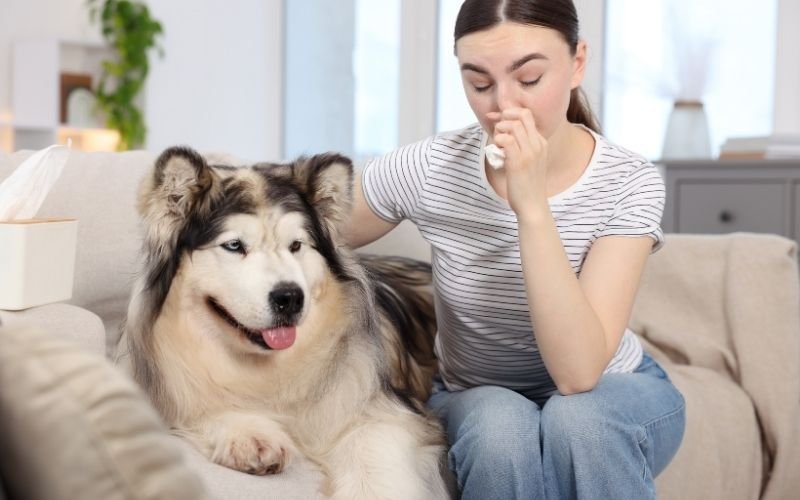

If you sneeze around cats or dogs, someone has probably told you,
“You’re allergic to pet fur.”
But that’s not the full story.
Most people with “pet allergies” are actually reacting to pet dander and certain proteins found in saliva, urine, and skin flakes, not the hair itself.
Understanding this difference is important, because it changes how you manage symptoms and which treatments work best.
What Is Pet Dander, Really?
Pet dander is made of microscopic skin particles that animals naturally shed. These tiny flakes:
- stay airborne for long periods,
- cling to furniture, carpets, and clothing,
- and can even be carried into homes that don’t have pets.
In cats, the main allergen is often Fel d 1 (found in saliva and skin).
In dogs, common allergens include Can f 1 and Can f 2.
So, it’s not the fur, it’s what sticks to the fur.
Why Some People React More Than Others
Pet dander allergies are influenced by:
- genetics,
- existing asthma or eczema,
- indoor air quality,
- length and intensity of exposure.
People who:
- live in smaller or poorly ventilated spaces,
- share beds or couches with pets,
- or have multiple animals
Often experience more persistent symptoms.
Common Symptoms of Pet Dander Allergy
You might be dealing with a pet allergy if you notice:
- sneezing fits when you are around animals,
- stuffy or runny nose,
- itchy, watery, or red eyes,
- coughing or wheezing,
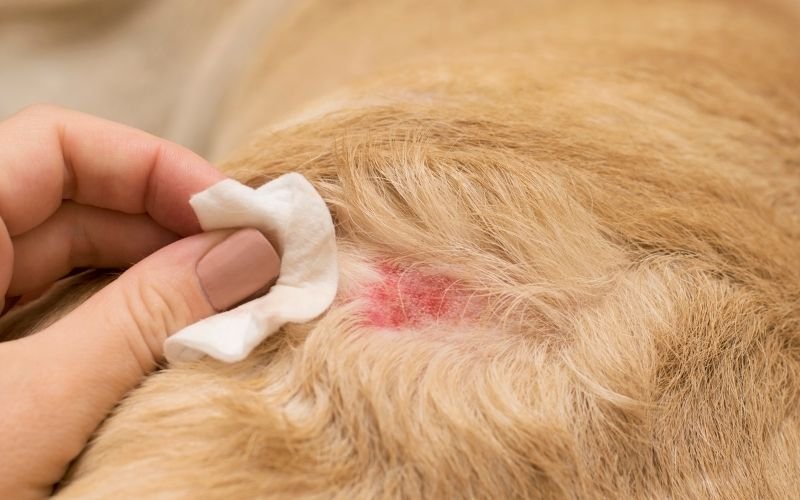
- itchy skin or hives where an animal licks or scratches you.
If you’re unsure which medicine is right for you, start here: What Is the Best Allergy Medicine?
Cleaning Tips That Actually Help (Beyond “Don’t Let the Dog on the Couch”)
You do not have to choose between breathing and keeping your pet. But you may need to adjust the environment:
1. Focus on fabrics
- Use washable covers on beds and sofas.
- Wash bedding weekly in hot water.
- Consider limiting carpets in bedrooms.
2. Air quality upgrades
- Use a HEPA filter in main living areas and bedrooms.
- Replace HVAC filters regularly.
3. Pet routines
- Wipe pets down with damp cloths after outside time.
- Use vet-approved bathing routines to reduce dander.
Treatments That Go Beyond “Take an Antihistamine”
While antihistamines and nasal sprays help manage symptoms, they don’t change the underlying sensitivity.
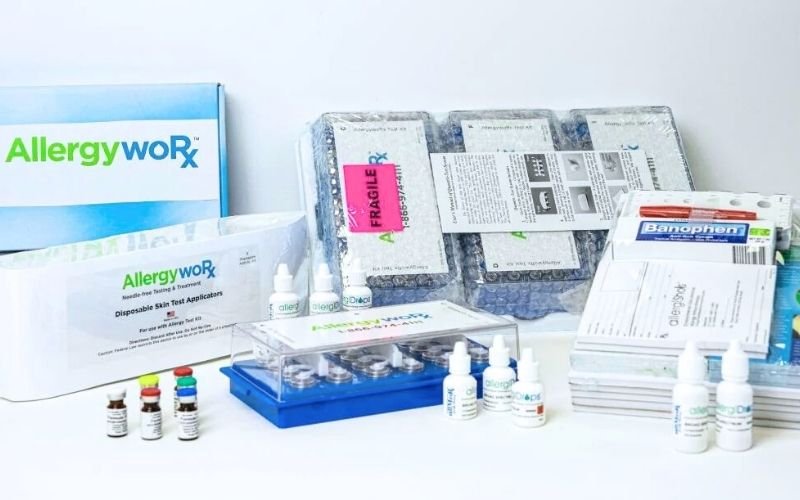
For long-term control, allergy immunotherapy (shots or drops) can gradually retrain your immune system to react less strongly to pet allergens.
Compare options here: Allergy Drops vs Shots vs Pills (2025)
For patients who also react to dye or filler ingredients in medications, customized formulations may help: Dye-Free & Gluten-Free Medicines
Final Thoughts : It’s Not About Choosing Between Health and Pets
Pet allergies can be frustrating, but they are also manageable.
With:
- smarter cleaning strategies,
- appropriate medications,
- and, when needed, immunotherapy,
Many people successfully live with the animals they love, without constant symptoms.
At AllergyWorx, our goal is not to tell you to give up your pets.
It’s to help you understand what’s really happening in your body, and what you can do about it