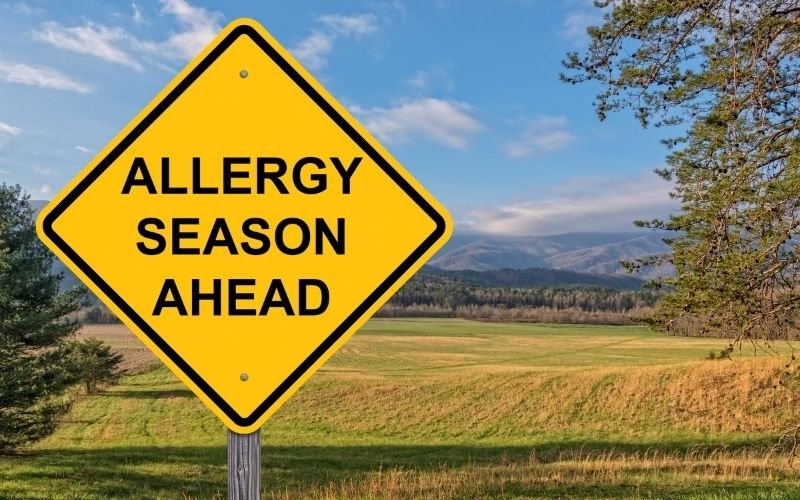

Sneezing in spring is common, but what about coughing through winter?
If your symptoms get worse after rain or while cleaning the basement, you might be reacting not to pollen but to mold spores.
In 2025, mold-related allergies are rising nationwide as climate patterns shift and humidity levels increase, particularly in Southern and coastal states like Florida, Texas, and North Carolina.
What Are Mold Spores and Why Do They Cause Allergies?
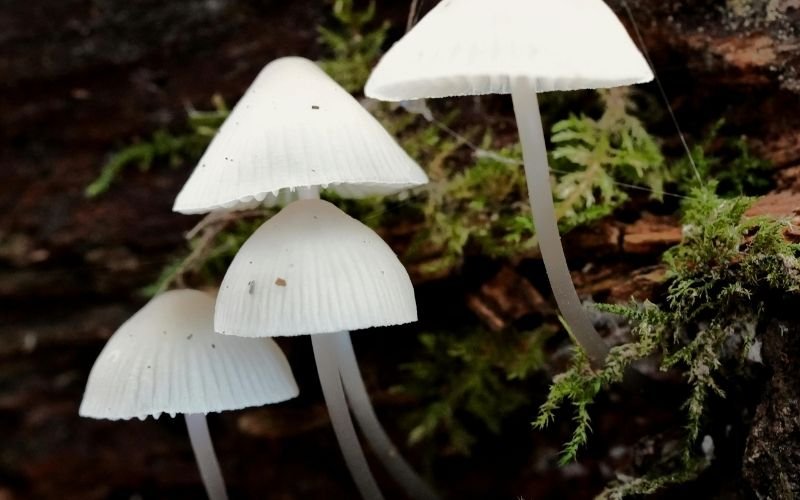
Molds are fungi that release microscopic spores into the air to reproduce.
When inhaled, these spores trigger allergic reactions similar to pollen, sneezing, itchy eyes, coughing, or even asthma flare-ups.
“Unlike seasonal pollen, mold exposure can happen year-round — especially indoors,”
— U.S. Environmental Health Report, 2025.
The most common allergenic molds include Alternaria, Cladosporium, Aspergillus, and Penicillium, all of which thrive in moisture-rich areas.
Where Mold Grows Indoors (and Often Gets Overlooked)
- Bathrooms, under sinks, and around showers
- HVAC filters, vents, and humidifiers
- Window frames and basements
- Carpets and wallpaper behind furniture
- Potted plants and soil
Increased remote work has made indoor air exposure more constant, amplifying chronic mold sensitivity symptoms.
Symptoms That Suggest Mold Spore Sensitivity
You might have a mold allergy if you experience:
- Stuffy or runny nose that worsens indoors
- Chronic sinus pressure or postnasal drip
- Coughing that gets worse at night
- Itchy or watery eyes
- Fatigue or brain fog after rain or cleaning
Severe reactions can also aggravate asthma or chronic respiratory conditions.
2025 Trends: Why Mold Allergies Are Rising
According to recent CDC and NIH data, U.S. indoor humidity averages have climbed due to warmer winters and poor home ventilation.
Air-quality trackers like Pollen.com report a 15–25% rise in mold spore counts compared to five years ago.
(Fall Allergies 2025: Why Ragweed and Mold Are Still Winning This Season)
How to Prevent and Control Mold Exposure
1️. Reduce Humidity: Keep indoor humidity below 50%. Use dehumidifiers in basements and bathrooms.
2️. Filter the Air: Run HEPA filters and change HVAC filters every 60 days.
3️. Improve Ventilation: Open windows briefly when cleaning to prevent spore buildup.
4️. Clean Smart: Use vinegar-based cleaners instead of bleach (which can irritate airways).
5️. Control Moisture Sources: Fix leaks within 24 hours and check condensation near windows or AC units.
(Learn more: Allergy Testing at Home 2025: What Works, What Doesn’t, and What’s New).
Treatment Options That Work
- OTC Relief: Antihistamines (cetirizine, loratadine) and nasal corticosteroids for mild cases.
- Prescription Immunotherapy: Allergy shots or drops (SLIT) to retrain the immune system to tolerate mold allergens.
- Compounded Formulas: For patients allergic to dyes or preservatives, pharmacies like AllMedRx offer personalized formulations of antihistamines or nasal sprays.
When to Seek Professional Testing
If symptoms persist despite cleaning and medications, ask your allergist about:
- Skin-prick testing or IgE blood testing to identify mold strains.
- Home mold testing kits for environmental screening (use only FDA-compliant options).
- Preventive immunotherapy to control chronic symptoms long-term.
(Learn more:Allergy Immunotherapy in 2025: Latest Evidence, Safety & What to Ask Your Provider).
Final Takeaway
Mold spore allergies can be stealthy, but once identified, they’re manageable. A clean environment, the right medications, and precision immunotherapy can dramatically improve quality of life.At AllergyWorx, we help patients understand not just what they’re allergic to, but why it happens and how to stop it with evidence-based, patient-focused allergy care.