

Introduction
Many patients are told they have “indoor allergies,” but that label often hides an important distinction: dust allergy and mold allergy are not the same condition. Treating them the same way can delay relief and prolong symptoms.
In 2025, indoor air quality, climate patterns, and building design are making this distinction more important than ever.
What Causes a Dust Allergy?
Dust allergy is primarily caused by dust mites, microscopic organisms that live in:
- Bedding and mattresses
- Upholstered furniture
- Carpets and rugs
- Indoor fabrics
According to American Academy of Allergy, Asthma & Immunology, dust mite proteins are among the most common indoor allergy triggers worldwide.
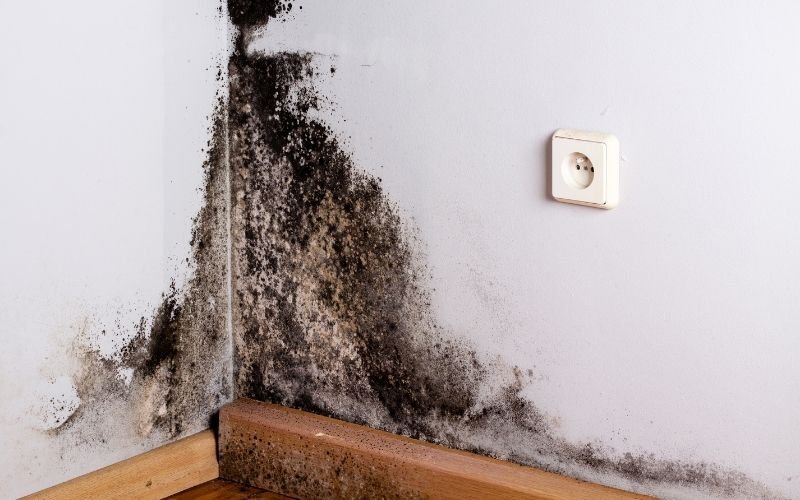
What Causes a Mold Allergy?
Mold allergy is triggered by airborne mold spores, which thrive in:
- Bathrooms and kitchens
- Basements
- HVAC systems
- Areas with water damage
Unlike dust mites, mold exposure often fluctuates with humidity and weather.
Deep dive on mold exposure patterns:
Mold Spore Allergies: The Hidden Trigger in Your Home (2025)
How Symptoms Overlap (and Why That’s Confusing)
Both dust and mold allergies can cause:
- Nasal congestion
- Sneezing
- Watery or itchy eyes
- Fatigue
This overlap is why many patients assume they have “seasonal allergies” even when symptoms persist year-round.
Key Symptom Differences to Watch For
Dust Allergy Patterns
- Symptoms worsen at night or in bed
- Morning congestion is common
- Improvement when away from home
Mold Allergy Patterns
- Symptoms worsen in damp spaces
- Flare-ups after rain or humidity spikes
- Strong reactions in basements or bathrooms
Learn how symptom patterns help classify allergy types:
Respiratory vs Eye vs Skin Allergies
Diagnosis Matters More Than Medication Choice
Many patients self-treat with over-the-counter products, but without knowing the trigger, relief remains inconsistent.
Professional evaluation helps determine:
- Exact allergen sensitivity
- Whether one or multiple triggers are involved
- The most effective long-term strategy
Diagnostic overview:
Allergy Testing at Home: What Works in 2025
Treatment Paths Differ for Dust vs Mold
Dust allergy strategies often focus on:
- Environmental control
- Bedding encasements
- Long-term immunotherapy
Mold allergy strategies emphasize:
- Moisture control
- Air filtration
- Targeted allergen avoidance
Personalized approaches may be supported through educational coordination with partners like AllMedRx, when clinically appropriate.
Next Steps & Support
Initial evaluation & intake:
Education & environment guidance:
Final Thoughts
Dust and mold allergies may feel identical but treating the wrong trigger can keep symptoms unresolved for years. Accurate identification in 2025 is the foundation for meaningful, long-term relief.