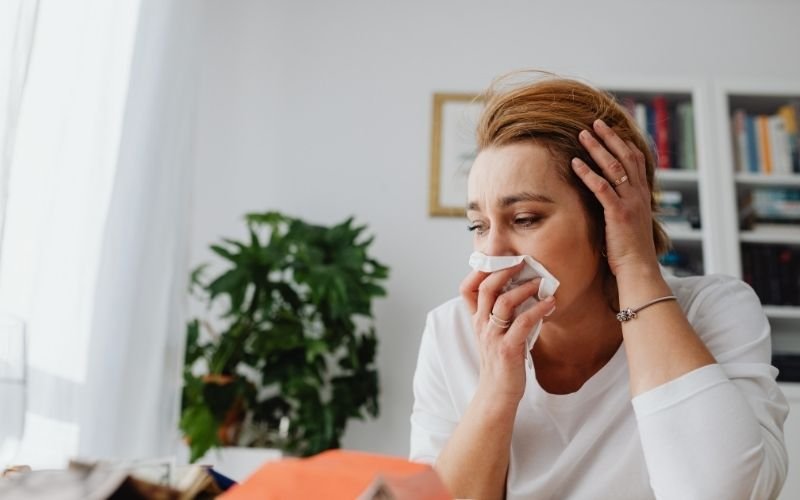


You walk into a room where someone sprayed perfume. Within minutes:
- your nose starts to burn,
- your head aches,
- your chest feels tight,
- your eyes water.
It feels like an allergy, but is it?
Reactions to fragrances and cleaning products are common, and they’re often described as “allergies.” In reality, they can fall into several categories:
- true allergic reactions,
- irritant reactions,
- or broader “chemical sensitivities.”
Understanding the difference helps you decide what kind of help you need.
True Allergy vs Irritation vs Sensitivity
True IgE-Mediated Allergy
- Involves the immune system producing IgE antibodies
- Tends to cause hives, swelling, wheezing, or classic “allergy” symptoms
- Confirmed through skin or blood tests (in limited cases for chemicals)
Perfume ingredients and cleaning agents less commonly cause true IgE allergy.
Irritant Reactions
- Do not involve IgE antibodies
- Caused by the chemical directly irritating airways, skin, or eyes
- Can happen in almost anyone at high enough concentration
Common with strong cleaning products, bleach fumes, solvents, etc.
“Fragrance Sensitivity” or Multiple Chemical Sensitivity
- Symptoms often include headache, fatigue, difficulty concentrating, dizziness, and respiratory discomfort
- Can be triggered by low levels of fragrances or chemicals
- Mechanisms are still being researched
- May overlap with migraine, asthma, or non-allergic rhinitis
Common Symptoms Linked to Fragrances and Cleaning Products
- Burning or stinging in nose or eyes
- Headache or “brain fog”
- Cough, throat tightness, or chest discomfort
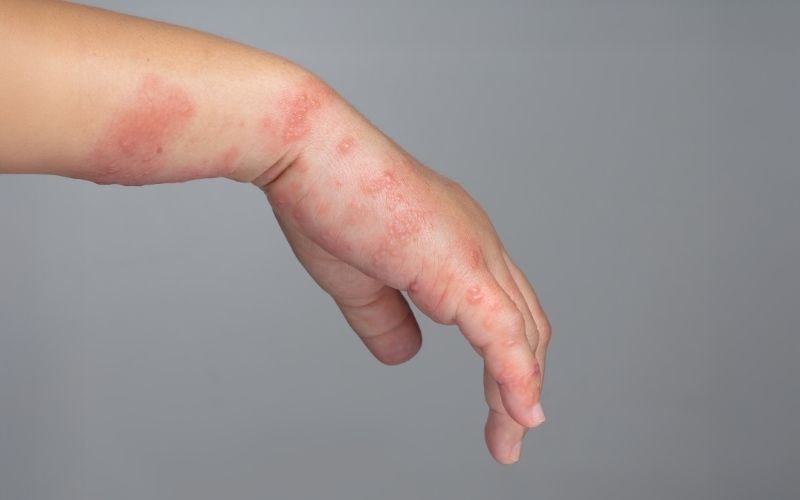
- Itchy skin or rashes at point of contact
- Fatigue or dizziness in scented environments
For some people, these reactions are mild and occasional. For others, they significantly impact daily life and work.
To better understand allergy categories in general: What Type of Allergies Are There?
When to See an Allergist vs Occupational Health vs Primary Care
- If you experience wheezing, chest tightness, or possible asthma, involve an allergist or pulmonologist.
- If symptoms are strongly linked to workplace exposures, occupational health may need to evaluate.
- For persistent headaches, fatigue, or cognitive symptoms, a primary care evaluation is important to rule out other conditions.
Respiratory-focused medications may help if your nose and sinuses are heavily involved:
Respiratory Allergy Medicine
Practical Strategies to Reduce Symptoms
1. Fragrance-smart environments
- Use fragrance-free detergents and cleaners at home.
- Ventilate well when using any chemical.
- Avoid plug-in air fresheners and heavily scented candles if they bother you.
2. Communication at work
If symptoms are significant:
- talk to HR or your manager,
- ask if fragrance-free policies are possible in your immediate workspace,
- or whether cleaning schedules can be adjusted.
3. Medication support
Your provider may recommend:
- nasal sprays,
- antihistamines,
- asthma medications (if wheezing is a factor).
For people sensitive to dyes or additives in medications themselves: Dye-Free & Gluten-Free Medicines
Final Thoughts: Validation and Precision
If fragrances or cleaning products make you feel unwell, it’s not “all in your head.”
But the underlying mechanisms may not be a classic allergy and that matters, because:
- it changes how we evaluate your symptoms,
- how we test (or don’t test),
- and what treatments or accommodations are realistic.
At AllergyWorx, our goal is to validate what you’re experiencing, and then help you and your care team get more precise about what’s happening and how to respond.