
If you’ve recently eaten red meat and hours later experienced hives, stomach pain, dizziness, or even trouble breathing, you’re not alone. One of the fastest-growing and most misunderstood allergies in the United States is Alpha-gal Syndrome, a delayed allergic reaction triggered not by food itself, but by the bite of a tick.
In 2025, U.S. allergists report record cases, especially in southern, eastern, and midwestern states. And patients are often confused for months before receiving a proper diagnosis.
Here’s what you need to know.
What Exactly Is Alpha-Gal Syndrome?
Alpha-gal Syndrome (AGS) is an allergic reaction to galactose-α-1,3-galactose, a sugar molecule found in:
- Beef
- Pork
- Lamb
- Venison
- Gelatin
- Some medications containing mammalian ingredients
Most allergies trigger immediate symptoms. Alpha-gal is different, it creates a delayed reaction 3–8 hours after eating red meat.
This delay makes it harder for patients to identify the cause.
Related reading:
What Type of Allergies Are There?
The Lone Star Tick: The Unexpected Culprit
The primary cause is a bite from the Lone Star tick, which injects alpha-gal molecules into the bloodstream, confusing the immune system.
Regions with the highest 2025 cases include:
- Texas
- Florida
- Georgia
- North Carolina
- Tennessee
- Missouri
- Oklahoma
- Virginia
Some western states are starting to report cases as tick ranges expand.
Symptoms: Why It’s Often Misdiagnosed
Alpha-gal symptoms are delayed, which is unusual for food allergies.
Common symptoms include:
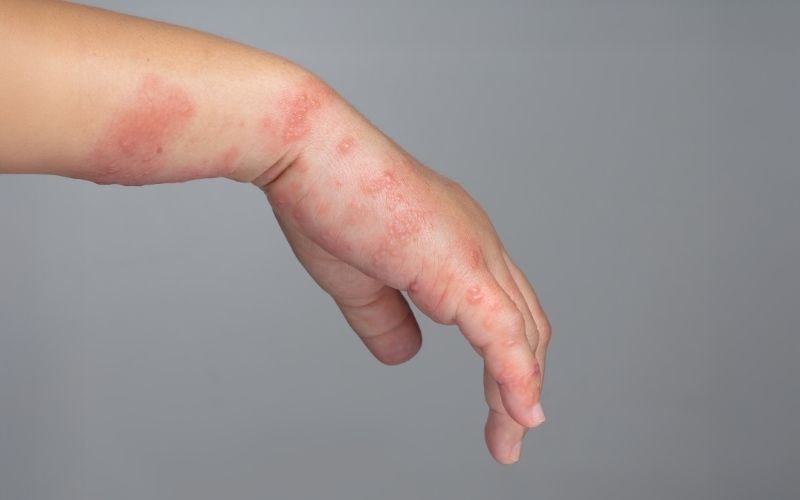
- Hives or itchy rash
- Severe stomach cramping
- Nausea or vomiting
- Diarrhea
- Dizziness
- Drop in blood pressure
- Swelling of lips, eyes, or throat
- Anaphylaxis (in serious cases)
Symptoms often appear middle of the night after a red-meat dinner.
Many patients mistake it for:
- food poisoning
- stomach virus
- gastritis
- IBS flare
- panic attack
Because reactions are delayed, diagnosis is frequently missed.
If you’re unsure which allergy you might have, start with
Allergy Testing at Home (2025).
How Is Alpha-Gal Diagnosed?
Diagnosis happens through:
1. Allergy History Review
Where you live, outdoor exposure, symptoms timeline.
2. Blood Test for Alpha-Gal IgE
The most reliable test.
3. Avoidance Trial
Removing mammalian meat from the diet to observe symptom improvement.
Some patients may also react to:
- gelatin
- dairy
- collagen
- certain medications made with mammalian products
These cases require more careful evaluation.
Treatment: Managing Life With Alpha-Gal Syndrome
There is currently no “cure,” but symptoms can be managed with strict avoidance and correct treatment.
1. Dietary Avoidance
Patients must avoid:
- beef
- pork
- lamb
- organ meats
- foods cooked in animal fat
- some gummies or marshmallows (gelatin)
2. Medication Review
Some medications, including certain vaccines, gelatin capsules, and biologics, may contain mammalian ingredients.
Pharmacies like AllMedRx prepare custom, allergen-free formulations:
Dye-Free and Gluten-Free Medicines
3. Emergency Plan
Patients should carry an epinephrine auto-injector.
4. Immunotherapy Research
Studies are exploring whether desensitization may help some AGS patients.
Learn the difference between traditional treatments:
Allergy Drops vs Shots vs Pills (2025)
Why Alpha-Gal Is Increasing in 2025
Experts point to three major trends:
1. Tick Population Growth
Warmer climates expand tick territory.
2. Delayed Reaction Leads to Underreporting
Patients take longer to connect symptoms to food.
3. Misdiagnosis in Primary Care
Many doctors still aren’t familiar with AGS.
States like Texas, North Carolina, and Tennessee report the highest surge in 2025.
Final Thoughts: Alpha-Gal Syndrome Is Real, Increasing, and Underdiagnosed
Alpha-gal is no longer a rare condition.
It’s one of the fastest-growing allergies in the U.S., and patients deserve accurate diagnosis, education, and clear treatment paths.
If you suspect symptoms, early testing and proper guidance can change everything.
AllergyWorx is committed to educating patients about emerging allergies and helping them find safer, personalized solutions.