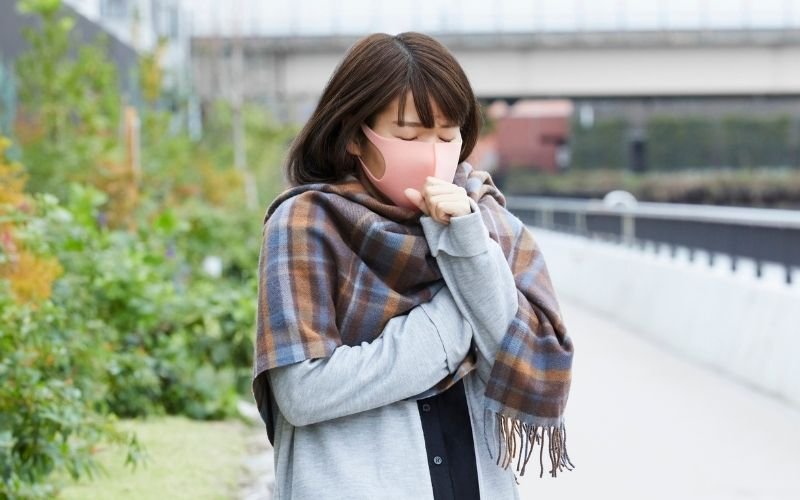

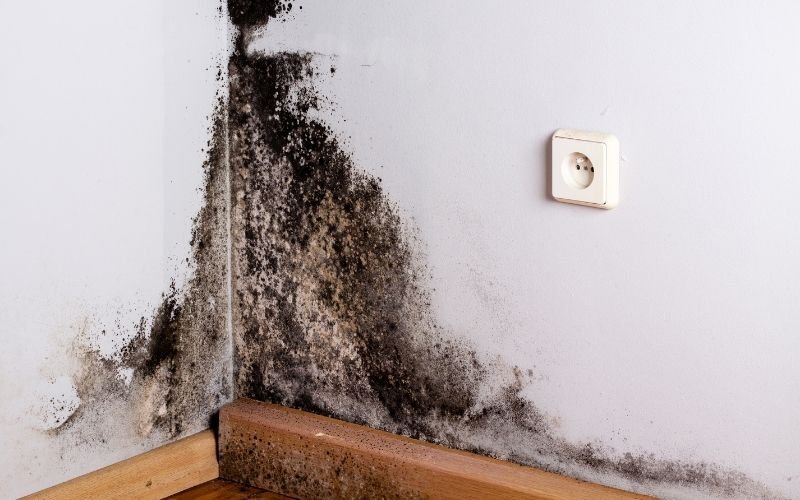
If your allergies get worse when the temperature drops, even though pollen season is over, you’re not imagining it. In 2025, allergists report a significant increase in indoor allergy flare-ups, especially related to mold spores, dust mites, and indoor air stagnation.
Cold weather forces people indoors… but indoor environments often trap allergens more than the outdoors.
Let’s break down why mold allergies worsen in winter and what you can do to stay ahead of symptoms.
Why Mold Becomes a Bigger Problem When It’s Cold Outside
Most people associate mold with humidity and summer months, but winter can be even worse, just in different ways.
1. Closed windows = trapped allergens
Homes stay sealed for warmth. Mold spores that would normally escape outdoors now accumulate inside.
2. Heating systems kick up hidden mold
When heaters turn on for the first time in months, they circulate:
- mold spores
- dust mites
- pet dander
- dead skin cells
- old debris from vents
This sudden blast can trigger immediate symptoms.
3. Condensation creates the perfect breeding ground
Cold windows + warm indoor air = moisture buildup → mold growth.
4. Basement and bathroom humidity
Even in winter, these areas remain damp, dark, and ideal for mold reproduction.
Common Mold Allergy Symptoms in 2025
Symptoms often mimic a cold, which is why people misdiagnose themselves.
Watch for:
- Stuffy or runny nose
- Itchy, watery eyes
- Postnasal drip
- Dry cough
- Head pressure or sinus pain
- Fatigue
- Wheezing (in sensitive individuals)
These symptoms often get worse:
- in the morning,
- after turning on the heater,
- after cleaning,
- or when spending long periods indoors.
If you’re unsure whether it’s allergies or something else, start with a basic test:
Allergy Testing at Home (2025)
The Most Common Indoor Sources of Mold
1. Bathrooms
Poor ventilation = mold around tile, grout, or ceilings.
2. Kitchens
Sink cabinets, refrigerator drip pans, dishwasher seals.
3. Basements
Damp walls, old carpet, and storage rooms.
4. HVAC systems
A major hidden source — and often overlooked.
5. Windowsills
A prime spot for winter condensation mold.
Why Children & Sensitive Adults Experience Worse Symptoms
In 2025, pediatric allergists note that children experience more severe mold reactions due to:
- smaller airways
- higher indoor exposure
- carpeted play areas
- stuffed toys that trap mold spores
Immunocompromised adults and those with asthma also report higher symptoms.
Learn personalized options:
Allergy Drops vs Shots vs Pills (2025)
How to Reduce Mold Exposure at Home (2025 Update)
1. Replace HVAC filters every 30 days
Especially during heavy heating use.
2. Use HEPA air purifiers
Place them in bedrooms and living rooms, where exposure is highest.
3. Lower indoor humidity
Keep it below 50% with dehumidifiers.
4. Deep-clean moisture-prone areas
Bathrooms, basements, windows, and behind furniture.
5. Wash bedding weekly
Dust mites and mold thrive in warm, humid fabric.
6. Ventilate daily
Even 5 minutes of open windows can drastically reduce indoor allergens.
When Mold Allergies Require Medical Treatment
If symptoms are persistent, severe, or impacting sleep, you may need:
- Antihistamines
- Nasal corticosteroids
- Leukotriene modifiers
- Allergy immunotherapy
- Allergen-free medication formulations
For patients with excipient sensitivities, AllMedRx prepares allergen-free compounded options:
Dye-Free & Gluten-Free Medicines
Final Thoughts: Indoor Allergies Are Real, and Mold Is the Hidden Culprit
Indoor mold allergies are overlooked because symptoms appear slowly and blend into seasonal changes. But for millions of Americans in 2025, mold is the true cause behind persistent congestion, sinus pain, and chronic irritation.
The good news?
With the right prevention steps and personalized treatment plan, you can regain control of your symptoms, even during the longest, coldest months of the year.
AllergyWorx is here to guide you with science-backed, compassionate allergy care.